The first lesson plan I ever wrote was on a legal pad at 6am in my car. I had a coffee in the cupholder, a sub-folder I had not filled out, and absolutely no idea what I was doing for math. The kids found out before I did.
Nine years later I plan a lot faster, mostly because I stopped reinventing the page every Sunday. A good planning page does one quiet thing. It gives your brain a box for each part of the day so you are not staring at a blank sheet wondering where reading went. I print mine. I write on it with a felt pen. I cross things out. It is not precious.
Here are the planning printables and little organization files I keep coming back to, all digital downloads from an indie design shop so you grab the file once and print it forever. I buy these myself when one catches my eye, and yes, a few of these links are affiliate ones, so if you grab something I get a tiny thank-you. No pressure either way.
A quick note, teacher to teacher: some links below are affiliate links. If you grab a file I may earn a little, at no extra cost to you.
The Corner Door Sign That Greeted My Room Before I Did
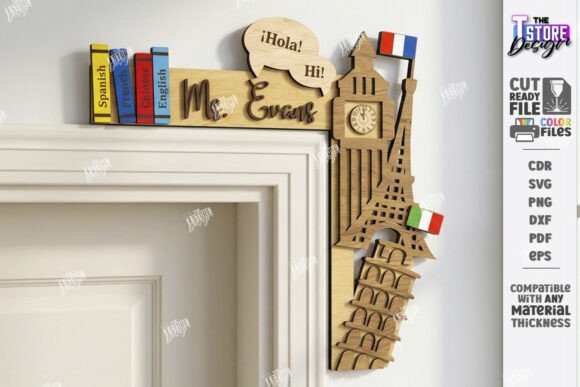
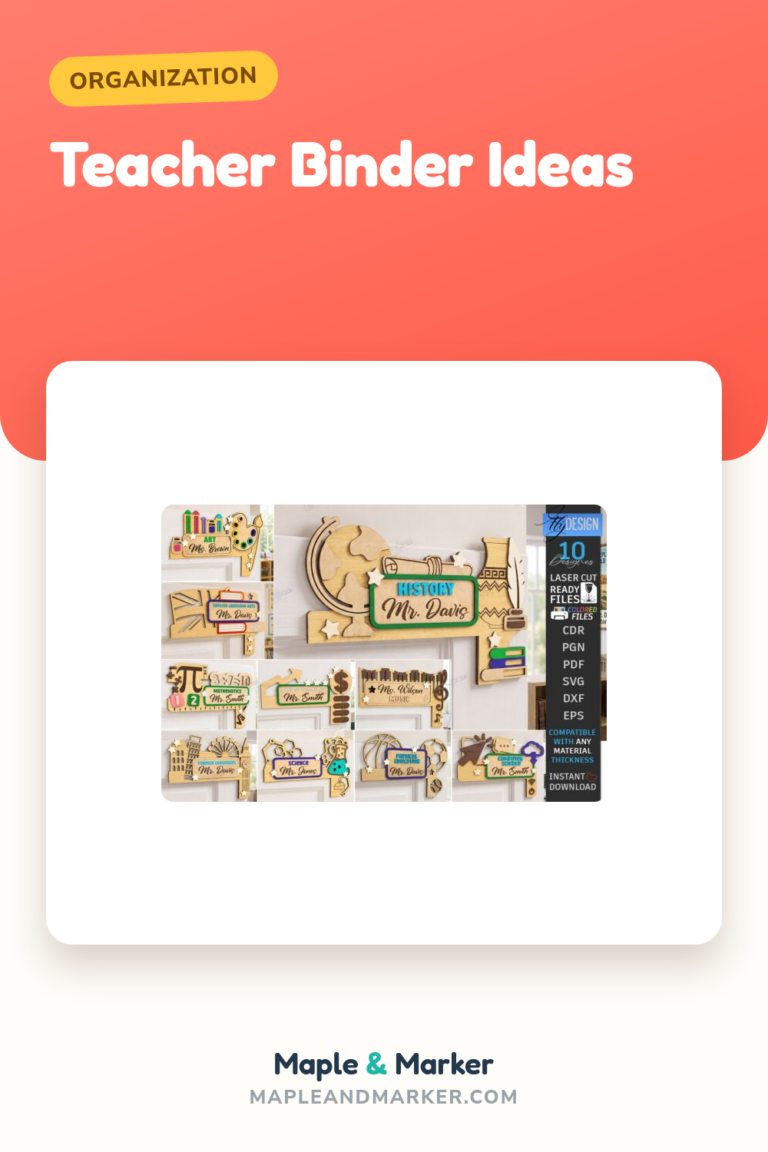
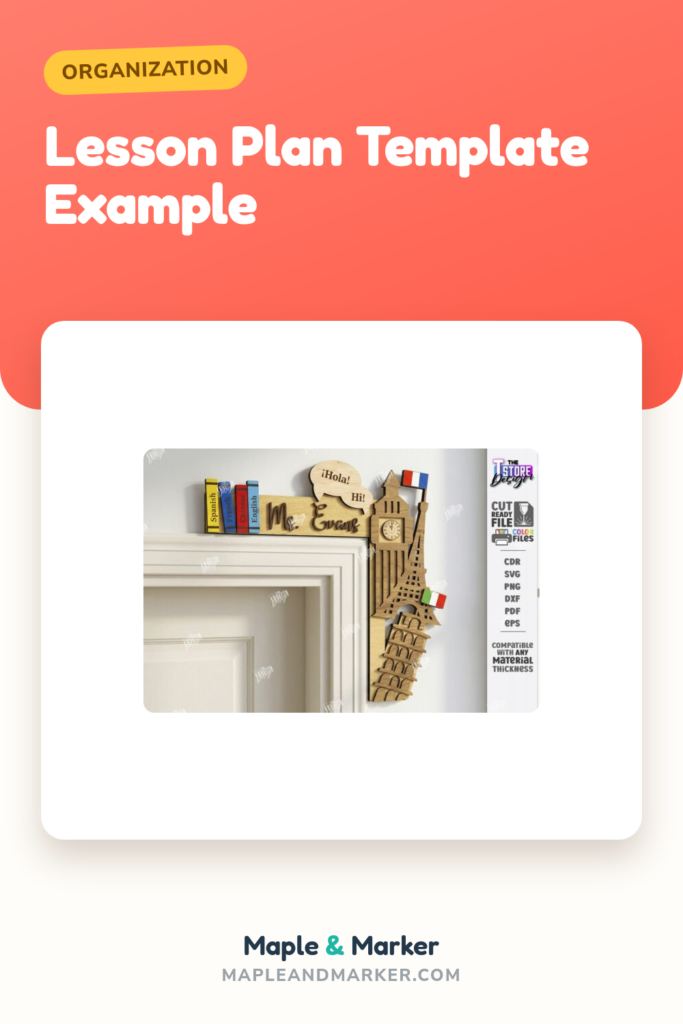
This is a laser-cut corner piece that tucks into the top of your classroom door, the kind of thing that makes the hallway feel like somebody lives there. I sent the file to a parent who does woodworking for his garage projects, and he cut it on his little machine over a weekend. It came back smelling like cedar.
I hung it the August before school started, before I had even moved a single desk. Walking up to a bare door with one warm wooden corner on it did something for my nerves. Suddenly the room was mine.
Honest nitpick. It is laser-cut, which means you need someone with the machine, or a maker shop nearby. I do not own one and never will. If you have a crafty parent or a shop teacher down the hall, you are golden. If not, this one stays a wish.
A Second Door Corner, For The Teammate Who Copied Mine

Same idea as the first corner sign, slightly different cut, and I am glad it exists because the day after I hung mine the kindergarten teacher across the hall asked where I got it. So I sent her this one. Now our two doors match at the top and look like we planned it. We did not plan it.
She had hers cut at the same little shop the woodworking dad uses, and it came out clean. She painted hers a soft sage to match her reading nook. Mine I left raw wood. Both look right.
The nitpick is the same as its twin. No machine, no sign. And once it is mounted, you are committing to that spot, because the adhesive strips I used left a faint mark when I moved it in June. Pick your corner and mean it.
The Simpler Cut For When You Want Less Going On
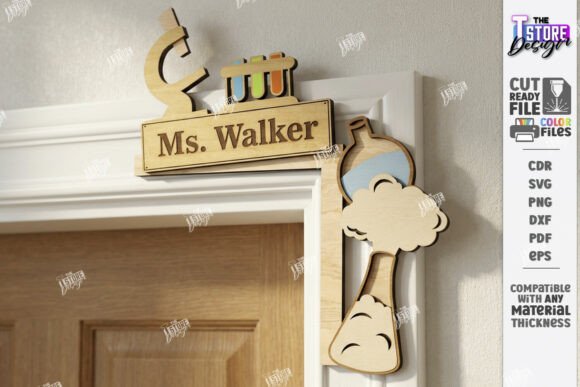
This door corner is the pared-down one. Fewer little flourishes, cleaner lines, the version I would actually pick now that my taste has calmed down since my third year of teaching when everything had to have a swirl on it.
A maker friend cut this for me from a leftover scrap of birch, which means it cost me a coffee and a thank-you card. It sits at the top of my door and does not shout. After a decade I have learned the quiet ones last longer in my eye.
Nitpick, and it is a real one. Smaller designs can look lost on a tall double-wide classroom door. I held mine up before mounting and it nearly disappeared. We ended up sizing the file up about twenty percent before cutting. Check your door first.
The One My Student Teacher Claimed For Her Own Room
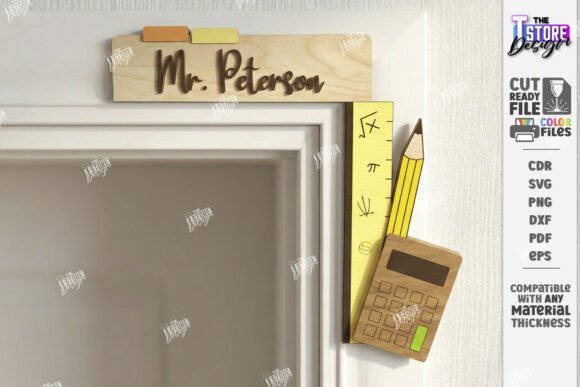
Another corner sign, and this is the file my student teacher fell for. She finished her placement in May, got hired in the next town over, and the first thing she texted me from her empty new classroom was could she have that door file. Of course she could.
She had it cut, stained it a warm walnut, and sent me a photo of it on her very own door in August. I may have teared up at the copier. Nine years in and that still gets me.
The nitpick here is fragility. The thin connecting parts of a detailed cut can snap if it gets dropped, and hers did chip one corner during the drive home. A dab of wood glue fixed it, but handle it like it is breakable, because it is.
Pastel Day-Of-The-Week Labels For The Sunday Plan Pile
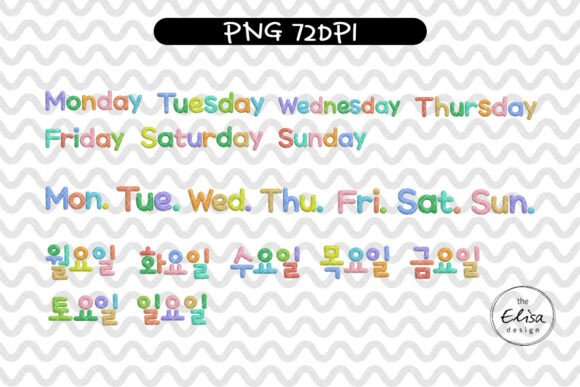
This is a set of soft 3D-look clipart for the days of the week, and I use it less for the wall and more for my planning. I drop the day graphics into my printable plan pages so Monday actually looks like Monday and I stop writing the wrong day at the top, which I did embarrassingly often.
The pastel colors print nicely on the workroom copier if you bump the quality setting up. I made a little set of weekday folder labels with these for my Sunday lesson-prep crates, one crate per day. It made my dining room table look organized for the first time in years.
Nitpick. The pastels are gentle, almost too gentle, so on a faded school copier they can wash out to nearly nothing. I print these at home on my own little inkjet when I want them to actually pop. The copier eats the light pinks alive.
The Folder Rack Graphic That Sorted My Planning Brain
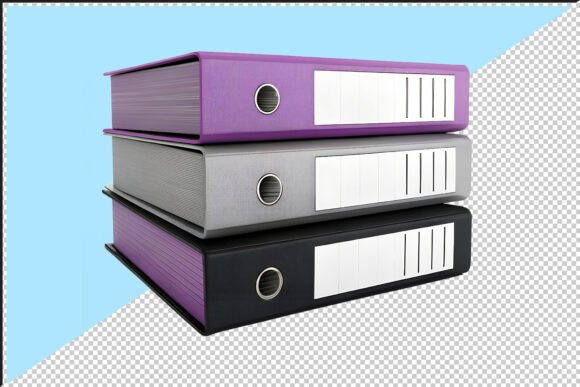
This is a clean folder-rack image, and I will be honest, I bought it for a slide deck and then it quietly reorganized how I think about my week. I used it as the header art on a printed planning station chart, one slot for each subject, and taped it above my actual folder rack so the picture matched the real thing.
My kids started returning folders to the right slot because the visual cue was right there. Small win. Huge for me. I had spent two years nagging about that exact thing.
Nitpick. It is a transparent graphic, so on a dark or busy background the edges of the folders can look a little flat and cut-out. I always drop it on a plain cream block first. On white or cream it looks crisp. On my busy bulletin paper, not so much.
The Coffee-Latte Weekly Planner I Spilled Coffee On
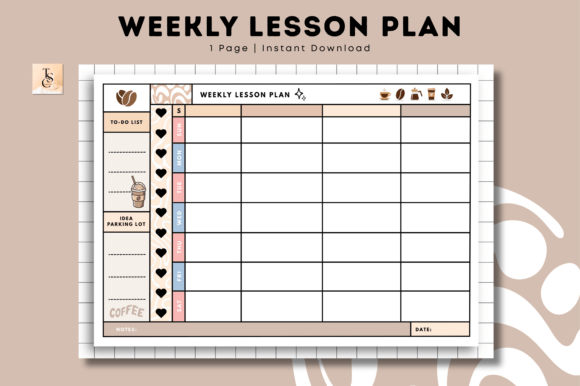
There is a warm latte-and-cream color story to this weekly lesson plan, and I find that genuinely funny because I spilled actual coffee on the first one I printed. It blended right in. You could not even tell. That is the highest praise I can give a teacher planner.
I print a fresh page each Friday, fill it Sunday at the kitchen table, and clip it to a board on my desk. The soft brown columns are easy on the eyes during a 7am planning blur. I have tried bright neon planners and they made my Monday brain hurt.
Nitpick. The whole thing leans cozy and muted, so the writing lines are a touch faint. With a fine-point pen they read fine. With a fat marker you lose the structure. I keep a thin felt pen clipped to it for exactly this reason.
A Farmhouse Mail Setup For The Notes I Always Lost
This farmhouse-boho teacher mail set is for the eternal problem of where do the permission slips go. I printed the labels, taped them to a row of little hanging pockets by my door, one per row of desks, and suddenly the floor stopped being my filing system.
The muted boho colors matched the rest of my room without me even trying, which never happens. I laminated the labels because anything by my door gets touched by forty small hands a day. Held up beautifully until June.
Nitpick. There are a lot of pieces in the set, and laminating and cutting every single pocket label took me a whole prep period plus a podcast. Worth it once it is up, but block out real time. Do not start this twenty minutes before dismissal like I did the first time.
The Sub Notes Log That Saved Me On A Surprise Sick Day
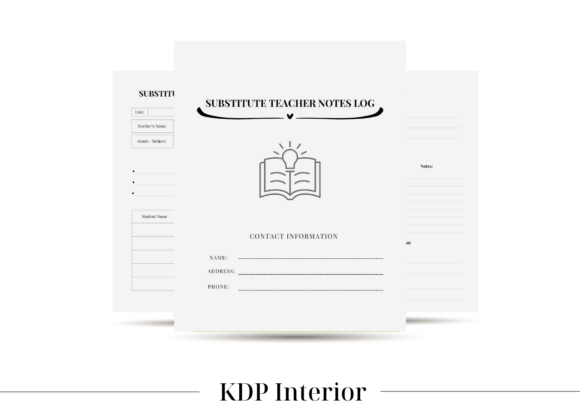
This is a substitute teacher notes log, a clean page where your sub writes down how the day actually went, who was a hero, who needs a chat, what got missed. I printed a small stack, three-hole-punched them, and slid them into the front of my sub binder.
The day I woke up sick and could barely text, my sub filled one of these out and left it on my desk. I came back to a full picture of the day instead of a sticky note that just said fine. It told me a reading group never happened. Now I knew where to pick up.
Nitpick. It is designed with a book-interior layout, so the inner margin sits a little wide for a binder. I nudged the print scaling down a hair so the hole-punch did not eat my words. Easy fix once you catch it, annoying if you do not.
Floral Number Labels For The Desks And The Lesson Plan Roster
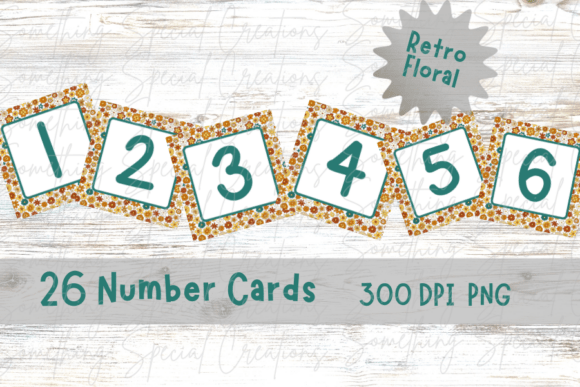
These are soft floral number labels, one through whatever your class size is, and I use them in two places. On the desks for our number system, and tucked beside names on my printed planning roster so my seating chart and my desks finally speak the same language.
I printed them on cardstock, laminated the desk set, and left the planner-page set plain paper so I could write beside them. The florals are pretty without being loud, which matters when twenty-five of them are staring at you from the desks all year.
Nitpick. The set I printed only went up to a certain number, and I had twenty-six kids that year, so my last student got a hand-drawn number for a week until I figured out how to duplicate one in the file. Check your roster count before you laminate.
The Daily Plan Page For Days That Need Their Own Sheet
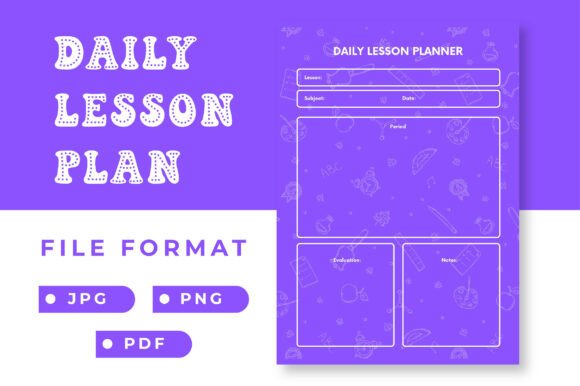
This is a single-day lesson plan template, and it is my go-to for the heavy days. Field trip days, testing days, the day before a long break when the schedule is nothing like a normal week. A weekly grid cannot hold that kind of day. This page gives it room.
I print a few of these and keep them loose in my planner pocket for when I need one. There is space for the timeline, the materials, the what-if-we-run-long notes. I scribble all over it and that is the point.
Nitpick. Because it is one full day per page, you go through paper faster, and I felt a little guilty about the copier count by October. I now only print these for the genuinely odd days and run my normal weeks on the weekly grid. Use it where it earns its page.
My Everyday Weekly Grid, The One That Does The Heavy Lifting
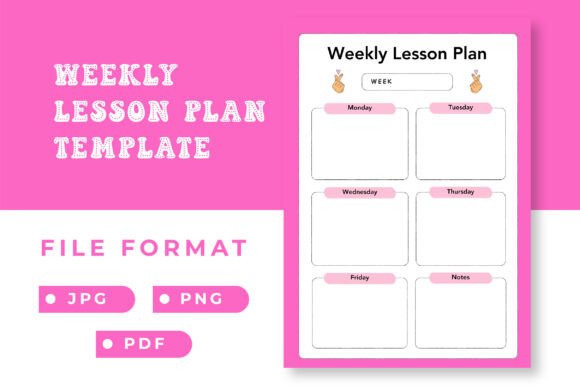
If you want one lesson plan template example to start with, this clean weekly grid is the one I would hand the new teacher down the hall. Five days across, your subjects down the side, room to write and cross out and write again. No fuss.
I print a fresh one every Friday afternoon before I leave, fill it Sunday, and it lives clipped to my desk all week. After nine years this exact format is the spine of my whole planning routine. Boring. Reliable. The best kind.
Nitpick. The default subject rows did not quite match my schedule, since I teach a weird double block of reading. The file was editable enough to fix on the computer, but I did print one wrong version first and had to recycle it. Set your rows before you hit print.
The Homework Tracker That Ended The Did-You-Turn-It-In Argument
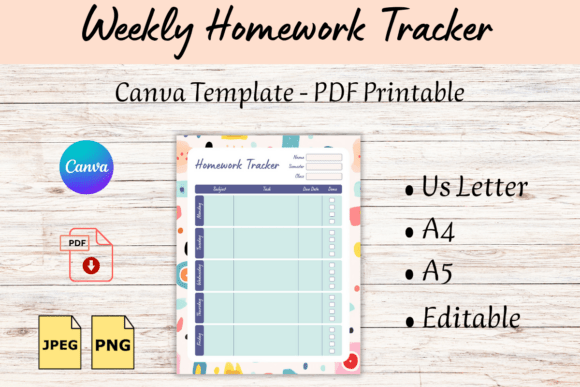
This is an editable weekly homework tracker, and it solved a small daily war in my room. I used to chase down who turned in what with a clipboard and a bad memory. Now there is a printed grid, names down the side, days across, and a checkmark settles it.
Because it is editable, I typed my class list right into the file once and printed a clean copy each Monday. The kids can see their own row, which quietly motivates the foot-draggers. I post mine on a clipboard by the turn-in bin.
Nitpick. Editing it means opening the file on a real computer, not my phone, and I tried to do it on my phone in the parking lot once and could not. Sit down at a laptop for the setup. After that, weekly printing is a five-second job.
The Back-To-School Daily Plan For That Wild First Week
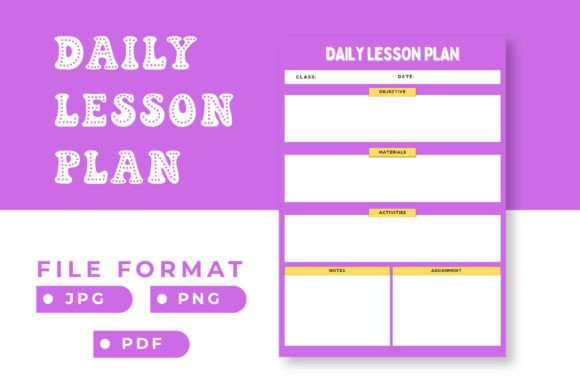
This back-to-school daily lesson plan is built for the first days, the ones that are ninety percent routines and procedures and ten percent actual content. The layout leaves room for all the where-do-we-line-up, here-is-the-bathroom-signal kind of planning that a normal page does not expect.
I print a stack of these for the first full week every August. The first-day version of me, jittery and over-caffeinated, is grateful that past me planned the lining-up procedure in writing. You forget you ever had to teach that.
Nitpick. After the first week or two you outgrow it, since a settled class does not need a whole page for procedures anymore. It is a seasonal sheet, not an all-year one. I keep mine in a labeled folder marked August so I am not hunting for it next summer, having lost it, which I will.
Frequently Asked Questions
what is a sub plan
A sub plan is the set of notes you leave a substitute so your room runs without you. The schedule, the routines, where the bathroom passes live, which kid to seat near your desk, and what to actually teach.
Mine started as a panicked sticky note and grew into a small binder. The honest truth is the best sub plan is the boring detailed one. The day you wake up sick is not the day to be clever.
what is classroom organization
Classroom organization is just having a home for every thing and every routine, so you and twenty-some kids are not all guessing where the glue sticks went. Labels, folder racks, mail pockets, a planning station, that kind of quiet structure.
It is less about looking tidy in photos and more about your own brain. When the room has systems, your Sunday planning gets shorter, because half the decisions are already made.
what to put in a student teacher binder
I hand my student teachers a binder with the weekly plan template, a blank sub-notes log, a class roster, the daily schedule, our routines and signals, and a few empty pages for their own reflections. The goal is one place they can flip to when I am pulled away.
I also tuck in a copy of whatever planning printables I use, so they leave with the actual files, not just the memory of them. Mine took hers to her first real job. That is the whole point.
why is classroom organization important
Because the unorganized version costs you time you do not have, and you feel it most on the bad days. Sick days, sub days, the morning the copier jams and you have nothing printed. Systems hold the room together when you cannot.
It also saves your evenings. A planning routine built on a steady template means I am not rebuilding my whole week from scratch every Sunday. After nine years, protecting my Sundays is the organization that matters most.
None of these will plan your week for you. You still have to sit down Sunday with a coffee and figure out what reading actually looks like Tuesday. But the right page makes that hour shorter and a lot less lonely, and that is most of the battle.
Start with one. Print the weekly grid, write on it, spill on it, see if it fits your brain. Swap what does not work. Nine years in, my whole system is just the few files that survived contact with real third-graders. Yours will be too. You will lose the flash drive at least once. We all do.