The first math wall I ever built was just a number line I drew freehand with a Sharpie that ran dry around 14. You could see the exact second it died. I left it up anyway because the bell rang and a fourth grader was already asking why 13 looked so confident and 14 looked tired.
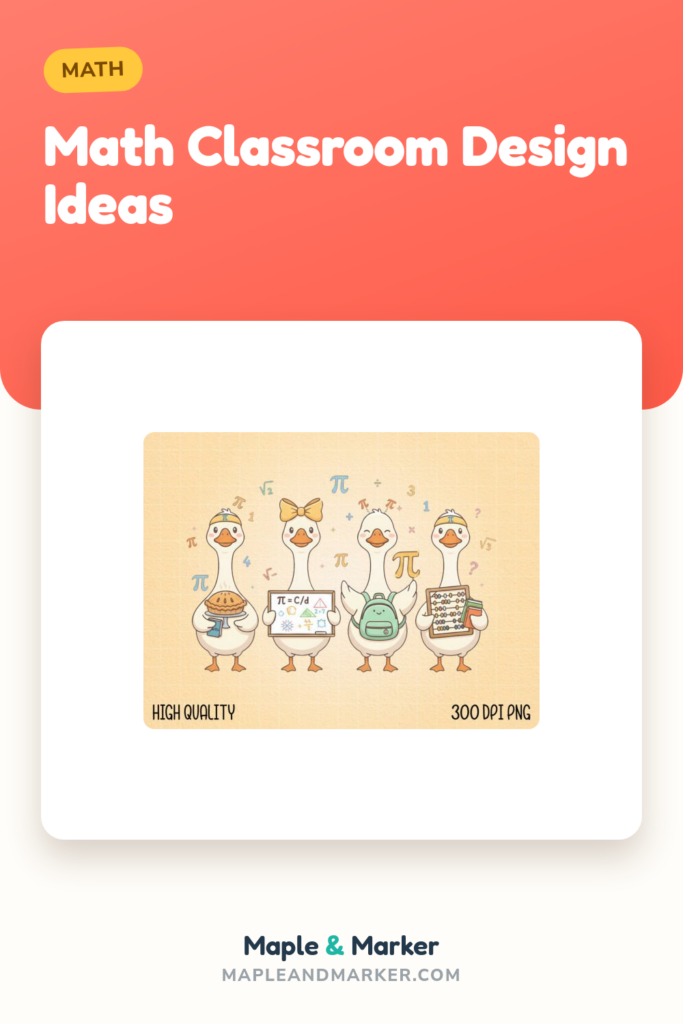
Somewhere in year four I gave up on freehand. Now I print. Bright Pi puns, big numbers, little goose drawings, the kind of stuff a kid actually stops and reads on the way to sharpen a pencil. I rotate them so the wall does not go invisible by November, which it will, because every wall does. If you want more math classroom design ideas that survive a real school year, this is where I keep landing.
Most of these I grabbed as digital files from an indie design shop, printed in the workroom, and trimmed at my desk during planning. A couple I lost on a flash drive and re-downloaded. I will tell you which ones curled, which ones jammed the laminator, and which ones a kid loved enough to ask for a copy.
A quick note, teacher to teacher: some links below are affiliate links. If you grab a file I may earn a little, at no extra cost to you.
The Goose That Started a Whole Pi Corner
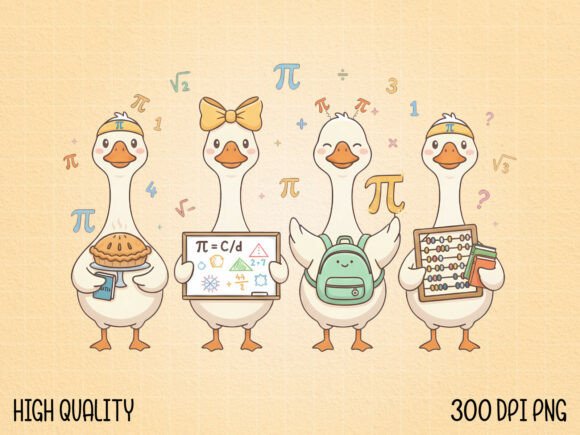
I printed this little goose holding Pi symbols on a whim for my third graders, half-sheet, just to fill a sad gap by the door. By lunch a kid had named him Gerald and decided he was the official math mascot. I did not vote on this. Gerald simply happened.
It prints clean on regular copy paper, the goose stays crisp, and the soft colors do not eat all your toner the way a full-bleed background does. I laminated mine so Gerald could survive being poked.
Honest nitpick: the Pi symbols around him are small, so from across the room it reads as a cute goose, not a math thing. Fine by me, but if you want the math to carry from the back row, pair it with bigger number art.
A Loud Wall Anchor For The Doubters

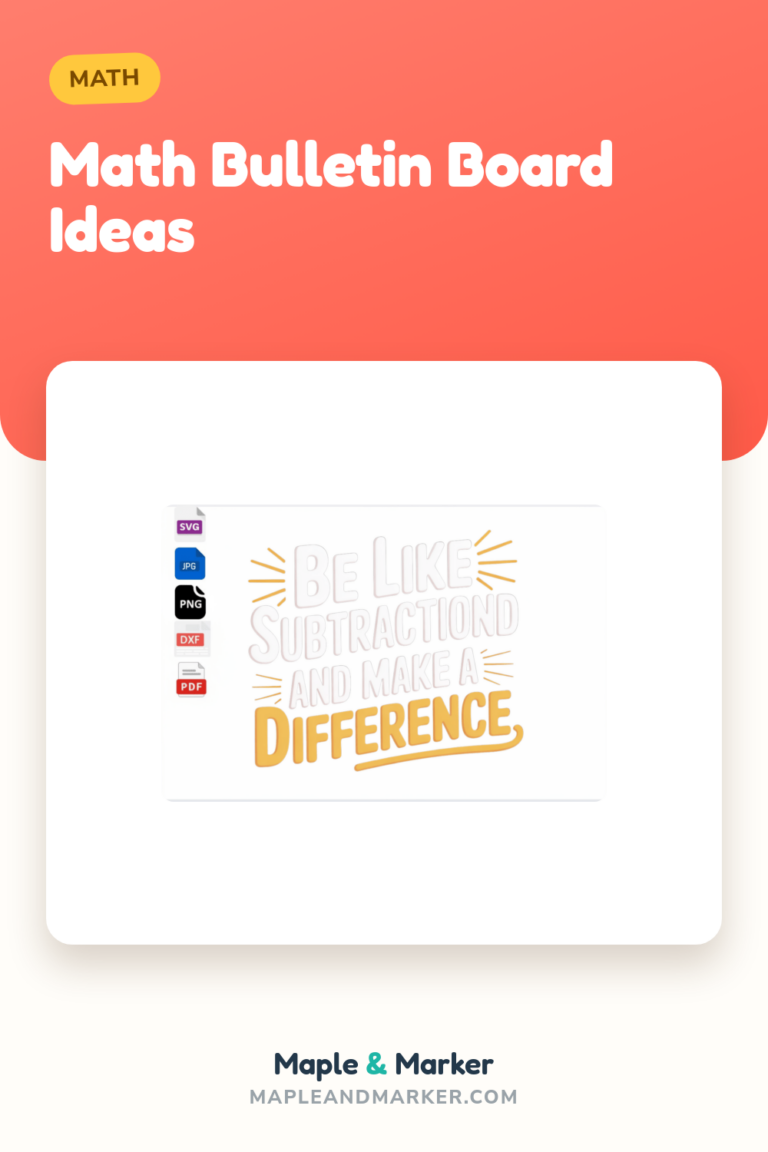
Some years you get a class that decides math is the enemy in September and digs in. This one is for them. I blew it up to 11×17 on the workroom copier the week before parent night and stuck it dead center over the math shelf.
The lettering is thick and high contrast, so it carries from the carpet, from the door, from the hallway when the door is propped. My fifth graders read it out loud the first morning like a dare.
Nitpick: at 11×17 the copier banded mine slightly in one corner, more the copier’s fault than the file, but if your machine is moody, print two and keep the better one.
Soft Bow Pi For The Pastel Math Shelf
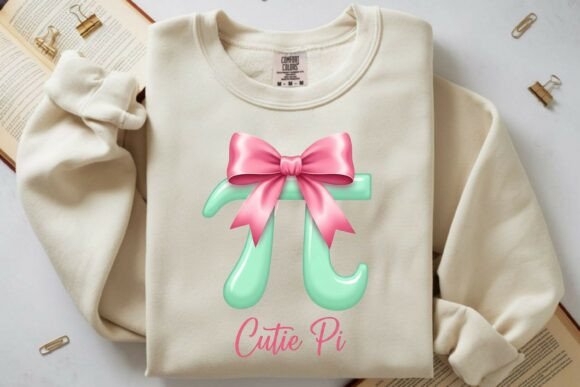
My student teacher set up a little reading-and-math nook last spring with everything in cream and dusty pink, and she begged me for something math that did not clash. This bow Pi was it. Sweet, girly, still clearly a math symbol.
It printed beautifully on white cardstock and the bow detail held up. We put it in a cheap clip frame so she could swap it later without re-taping the cinderblock.
The nitpick is honest: the palette is specifically soft. In a primary-color room it looks a little marooned. It belongs in a calm corner, not a loud one.
The Bright Yellow One You Can See From The Hall

I have a rule now: every math wall needs one piece you can read from the doorway without squinting. The yellow Pi is that piece in my room. It is just bold and sunny enough to grab a kid mid-yawn.
Printed it at half-sheet for the door frame and full-sheet for above the board. Both worked. Yellow can go washed out on a tired copier, but mine came out punchy on plain paper, no cardstock needed.
Nitpick: yellow plus white background means you really do want to trim close or frame it, or the symbol looks like it is floating in nothing. Five minutes with the paper cutter fixed it.
Apple Pi For Your Teacher Desk Corner
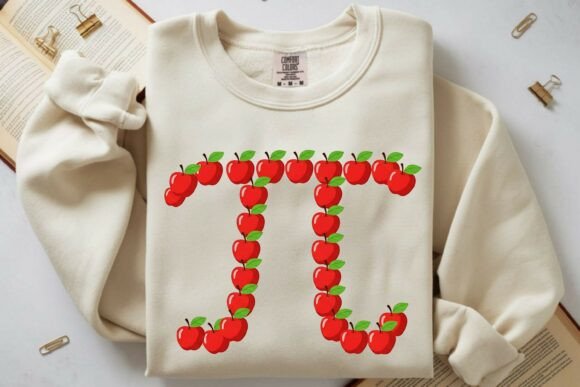
Apple plus Pi is the exact kind of pun that makes second graders groan and then repeat to their parents at pickup. I put this one on my own desk caddy, not the big wall, because it feels like a teacher joke and I wanted to keep it close.
Small print, maybe quarter-sheet, laminated, propped against my pencil cup. It survived a whole year of coffee proximity, which is the real durability test.
Nitpick: the apple and the Pi are doing a lot in a small space, so do not shrink it past a quarter-sheet or the details mush together. Keep it desk sized and it stays charming.
The Happy Pi Day Sign You Hang Once And Forget
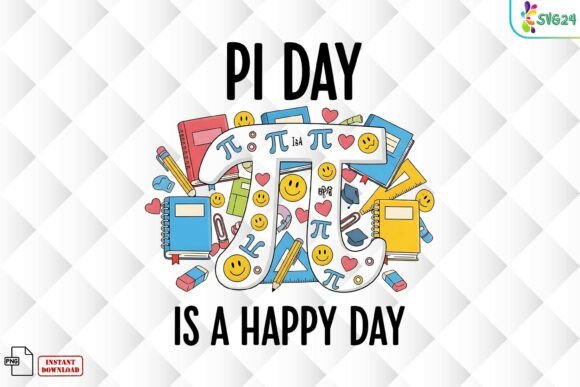
Pi Day sneaks up on me every single March, usually the morning of, usually while I am also out of cardstock. This sign is my insurance. I print it in February now and stash it in the DO NOT LOSE drawer.
Clean, cheerful, big enough to read across the room. I taped mine over the whiteboard and the kids treated 3.14 like a tiny holiday, which is the whole point.
Nitpick: it is very specifically a Pi Day sign, so it is seasonal. Down it comes by April. If you want year-round, this is not your everyday piece, it is your March piece.
A Pi Menu That Doubles As A Conversation Starter
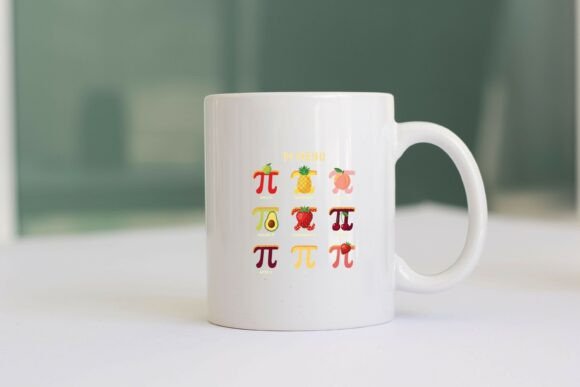
This one reads like a little cafe menu but the items are Pi jokes, and my fourth graders spent an embarrassing amount of indoor recess reading it to each other. Worth every minute of the print job for that alone.
I printed it at full-sheet so the menu lines were actually legible, laminated it, and clipped it near the math center. Kids lean in to read it, which is exactly what you want decor to do.
Nitpick: it is text-heavy, so from a distance it is just a block. This is an up-close piece. Hang it where kids stand and wait, not high on a wall they will never approach.
The Backup Pi Day Sign For The Other Wall

I am not above having two Pi Day signs. One over the board, one by the door, so the whole room feels like it remembered. This is my door one. Slightly different wording, same happy energy, and a kid will absolutely point out that you used both.
It printed crisp on plain paper and the lettering carries. I did not even laminate this one since it only lives up for a couple weeks.
Nitpick: hung right next to the first happy Pi Day sign, the two can feel repetitive, so split them across the room. On opposite walls they read as a theme. Side by side they read as a typo.
The 3.14 Sign That Teaches While It Decorates
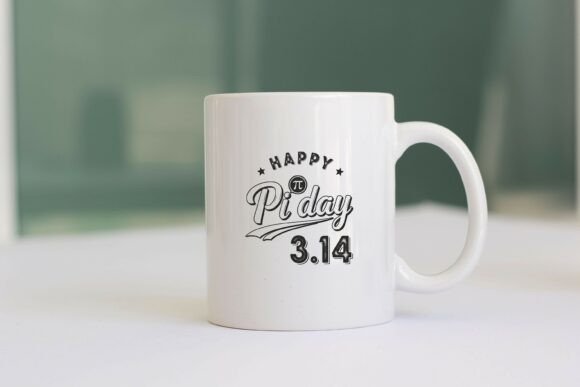
I like decor that sneaks in a number, and this one puts 3.14 right out front. My third graders had genuinely never seen Pi written down before this went up, and a few copied it into their notebooks unprompted. That is a March win.
Printed full-sheet, taped above the number line so the two talked to each other. The 3.14 is large and clean and reads from the carpet.
Nitpick: it only shows two decimal places, so the kid who already knows fourteen digits will tell you about it. Mine did. I called it a teachable moment and moved on.
The Quirky 67 Pi Piece Kids Ask About

The 67 on this one made my whole class stop and argue about what it meant, which is the best thing a poster can do. I let them theorize for a solid five minutes before we got back to fractions. Decor that buys you a transition is decor that earns its tape.
Bright, bold, printed great at full-sheet on plain paper. I put it at kid eye level on purpose so they could get close and debate.
Nitpick: the 67 is genuinely a little cryptic out of context, so be ready to explain it, or lean in and let it be the mystery on the wall. I chose mystery.
Cherry Pi For The Warm Math Corner
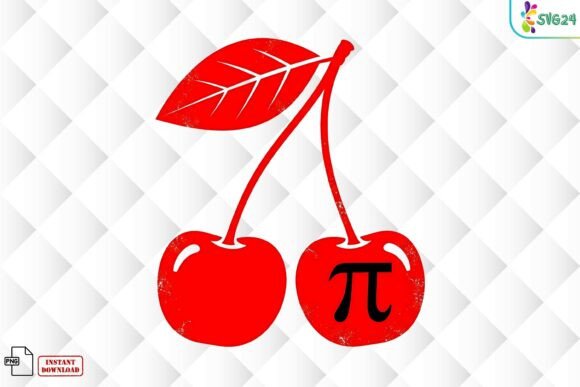
Cherry Pi is the cozy one. Warm reds, a sweet little pie, the kind of piece that makes a math corner feel less like a worksheet factory. I hung it in my small-group corner where my anxious kids sit, on purpose.
The reds print rich on cardstock and it framed up nicely in a dollar-store clip frame. It held color well even under the window where the afternoon sun usually fades things by spring.
Nitpick: the warm palette is cozy but it is not high-contrast, so it is a mood piece, not a from-the-back-row piece. Put it somewhere kids sit close, not somewhere they only glance.
The Retro Pi That Makes The Wall Feel Designed

I have a soft spot for retro color blocks, and this Pi gives the math wall that intentional, someone-planned-this look without much effort. My teammate across the hall saw it and immediately asked where I got it. High praise from a woman who color-codes her stapler.
Printed clean on cardstock, the retro tones held up, and it laminated without that weird shine some dark prints get. Big enough to anchor a section.
Nitpick: the muted retro palette can read dull next to neon decor, so it wants neighbors in the same calm family. Drop it next to highlighter-bright posters and it disappears.
Keep Calm And Love Pi For Test Week
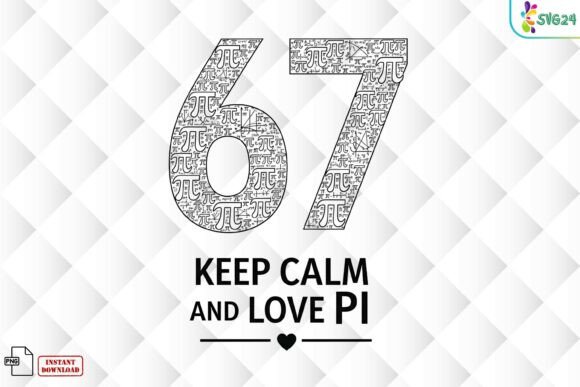
I put this one up during state testing week, which in my building is roughly the tensest five days of the year. A keep-calm joke about Pi is exactly the dumb little release a stressed-out fifth grader needs at 9am.
It printed sharp at full-sheet, the lettering is clean, and the message carries from a few rows back. I laminated mine because testing-week me has zero patience for re-printing anything.
Nitpick: the 67 shows up again here, so if you are also hanging the other 67 piece, you will get questions about why it keeps appearing. I just told them it was a running joke. Now it actually is.
The Retro Number Strip That Pulls It All Together
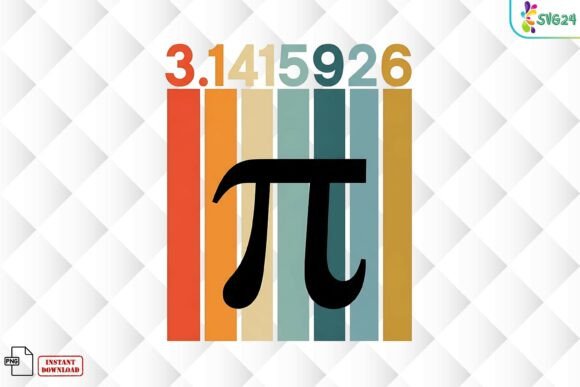
This is the piece I use to tie a busy math wall together. Retro Pi with the numbers running across it, so it reads as both decoration and a tiny reference. I ran mine long across the top of the bulletin board like a banner.
It printed in two sheets that I taped end to end on the back, then laminated as one strip. Held up the whole spring, even through the staple-and-restaple cycle every bulletin board goes through.
Nitpick: printed across two sheets you will get a faint seam line if you do not trim and overlap carefully. I rushed mine the first time and the seam showed. Second attempt, slow and overlapped, you cannot find it.
Frequently Asked Questions
how to decorate a math classroom
Start with one anchor piece kids can read from across the room, usually a big number or a bold Pi sign, then build a small corner around it instead of papering every wall at once. A loud wall goes invisible fast.
I print flat decor on the workroom copier, laminate the pieces that get touched, and rotate a couple out every month so the room stays awake. You do not need a die-cut machine. You need a paper cutter, some tape, and the willingness to redo a sagging border in October.
how to make a poster with multiple pictures
Easiest version: print several small designs, trim them close, and group them inside one bulletin-board frame or a taped-off rectangle so they read as a single poster. I do this with my Pi pieces all the time, four or five small ones inside one border.
If you want it to actually look like one poster, keep the palette in the same family and leave even gaps between the pieces. Mismatched colors and crooked spacing are what make a wall look cluttered instead of designed.
how to display multiple posters
Spread them out instead of stacking them in one spot. I put one anchor piece over the board, one by the door, and a cozy one in the small-group corner, so the theme is everywhere but nothing feels crammed.
Clip frames are my cheat. A dollar-store clip frame lets me swap a poster in ten seconds without re-taping cinderblock, and it keeps the edges from curling, which they will do by spring no matter how much I laminate.
what is multiplication poster
It is just a printed reference kids can glance at, usually a times-table grid or skip-counting numbers, hung where they work so they are not raising a hand for every fact. Mine lives right next to the math center.
These Pi pieces are more decor than reference, but the same rule applies: hang the teaching ones at kid eye level where they actually stand, and save the pretty mood pieces for the cozy corners. Reference goes low. Decoration can go high.
None of this has to go up perfectly the first time. My number line died at 14, my borders sag every October, and I have re-bought the same flash drive twice. The wall still works, and the kids still stop to read Gerald the goose.
Pick two or three of these, print them this week, and trim them at your desk during planning like the rest of us. The math corner does not need to be a masterpiece. It just needs to make one kid lean in and read it. That is the whole job.